
How to Separate fine Copper from Plastic mixture in Wire Recycling
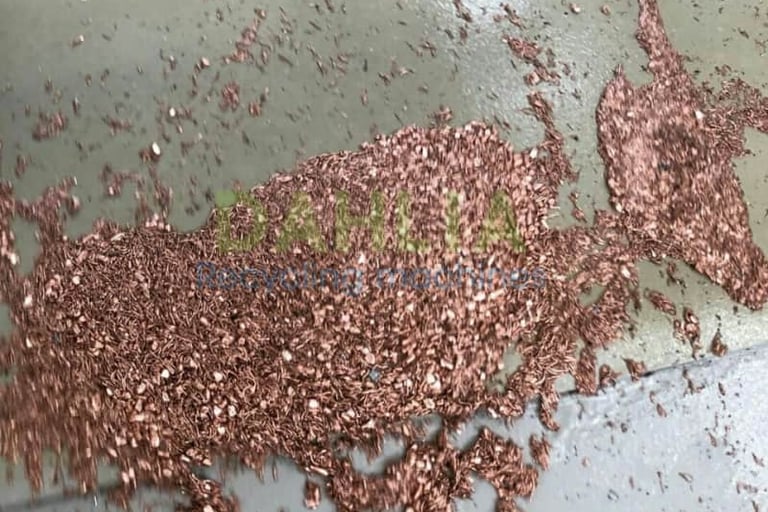
How to Separate Copper from Plastic mixture in Wire Recycling ?There are two easy-to-understand ways to do this, one is dry type electrostatic separator, another is wet type water circulating sorting method
11/7/20252 min read
The separation of copper plastic mixture after wire recycling
Let’s talk about a common problem in wire recycling: after using air to sort out light junk, you’re left with a mix of fine copper and plastic. We need to split these two apart—copper is super valuable to reuse, and plastic can be repurposed too. The good news? There are two easy-to-understand ways to do this, and I’ll break them down for you.
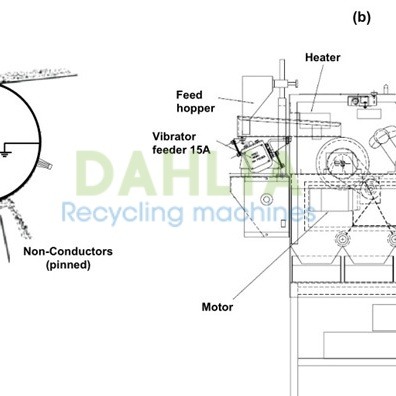
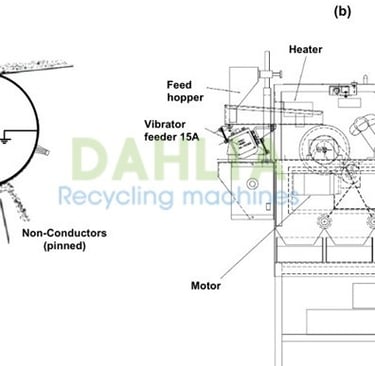
First up: the dry electrostatic method (Electrostatic separator). It works because copper and plastic act totally different around electricity. Copper is a “good conductor”—it lets electricity flow through it. Plastic? It’s an “insulator”—electricity can’t get through it at all. Here’s how it works: you put the copper-plastic mix into a machine called an electrostatic separator. This machine has a strong electric field inside. When the mix moves through that field, the copper picks up electric charges right away. Those charges pull the copper toward a metal plate (the “electrode”) in the machine. But the plastic? It doesn’t pick up charges, so it either gets pushed away from the plate or just falls down like regular trash. The best part? No water needed here! No messy liquid waste, and both the copper and plastic stay dry—so they’re easy to store or move later. Great for recycling shops that want to save water and energy.
Second way: the wet high-pressure water circulating sorting method. This one uses density—how heavy something is for its size. Copper is way denser than plastic (think: a small piece of copper feels heavy, while a same-size plastic piece is light). Here’s the step-by-step: you take the crushed wire mix and put it into a system with high-pressure water (like a strong spray). The water spreads the mix out evenly. Since copper is heavier, it sinks straight to the bottom of the tank—easy to scoop up later. The plastic? It’s light, so the fast-moving water carries it away. Then we just filter or let the water sit to catch the plastic. Bonus: the high-pressure water also cleans the copper and plastic—washing off dust and tiny bits of junk, so the final stuff is cleaner. This is perfect if the mix has really small or weirdly shaped pieces—those are hard to separate with the dry method.
So which one to use? If you want to save water and keep things dry, go with the electrostatic way. If you have tiny pieces or want extra-clean materials, the water method is better. Either way, splitting copper and plastic helps us reuse more stuff—and that’s good for the planet!
Contact us
Whatsapp/Mobile: +86 187 3815 8809
© 2025. All rights reserved.
Our products

